WARDAL
From Hollywood to Brazil, His Fame Across the Americas Ascends to the Pinnacle of Cinema
Hollywood. Never before in the history of cinema have two films built around the poetic portrayals of two heroes—Garibaldi and Rizal—become such prominent stories across the Americas.
This extraordinary attention is driven in large part by the distinctive presence and acting mastery of Wardal, recipient of the “USA Excellence for a Film Monologue” award and the star of both productions.
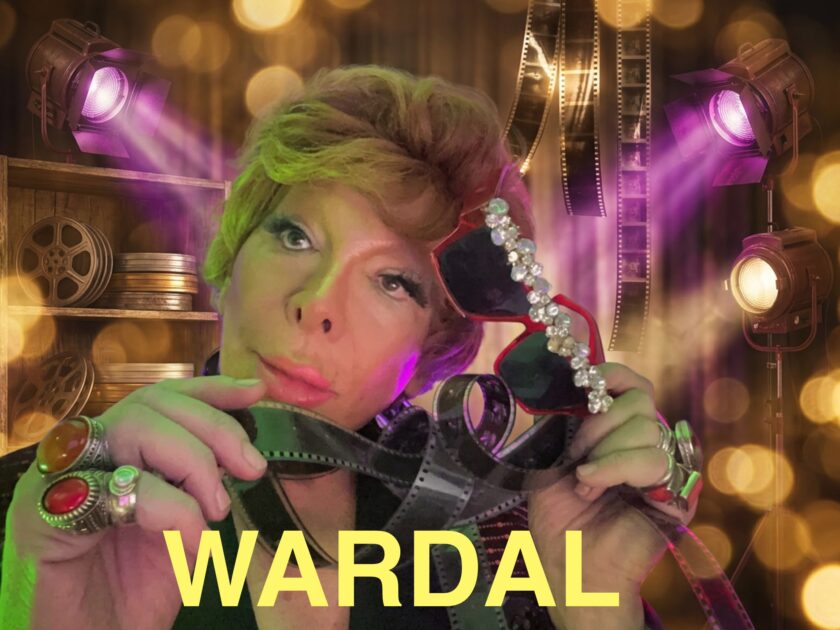
An internationally recognized figure whose career has crossed decades and continents, Count Federico Wardal continues to occupy a singular place in the cinematic world. A personality who has crossed paths with legendary figures such as Billy Wilder, Alfred Hitchcock, Federico Fellini and Carlo Lizzani, Wardal remains highly selective about the projects he accepts, choosing stories that he believes can create a genuine emotional impact and offer something meaningful to humanity.
Two of his current projects are attracting particular attention.
Anita, a film centered on Anita Garibaldi, is overseen by Francesco Garibaldi Hibbert, with a score by Andrea Ceccomori, and is set to be presented at the Gramado International Film Festival in Brazil.
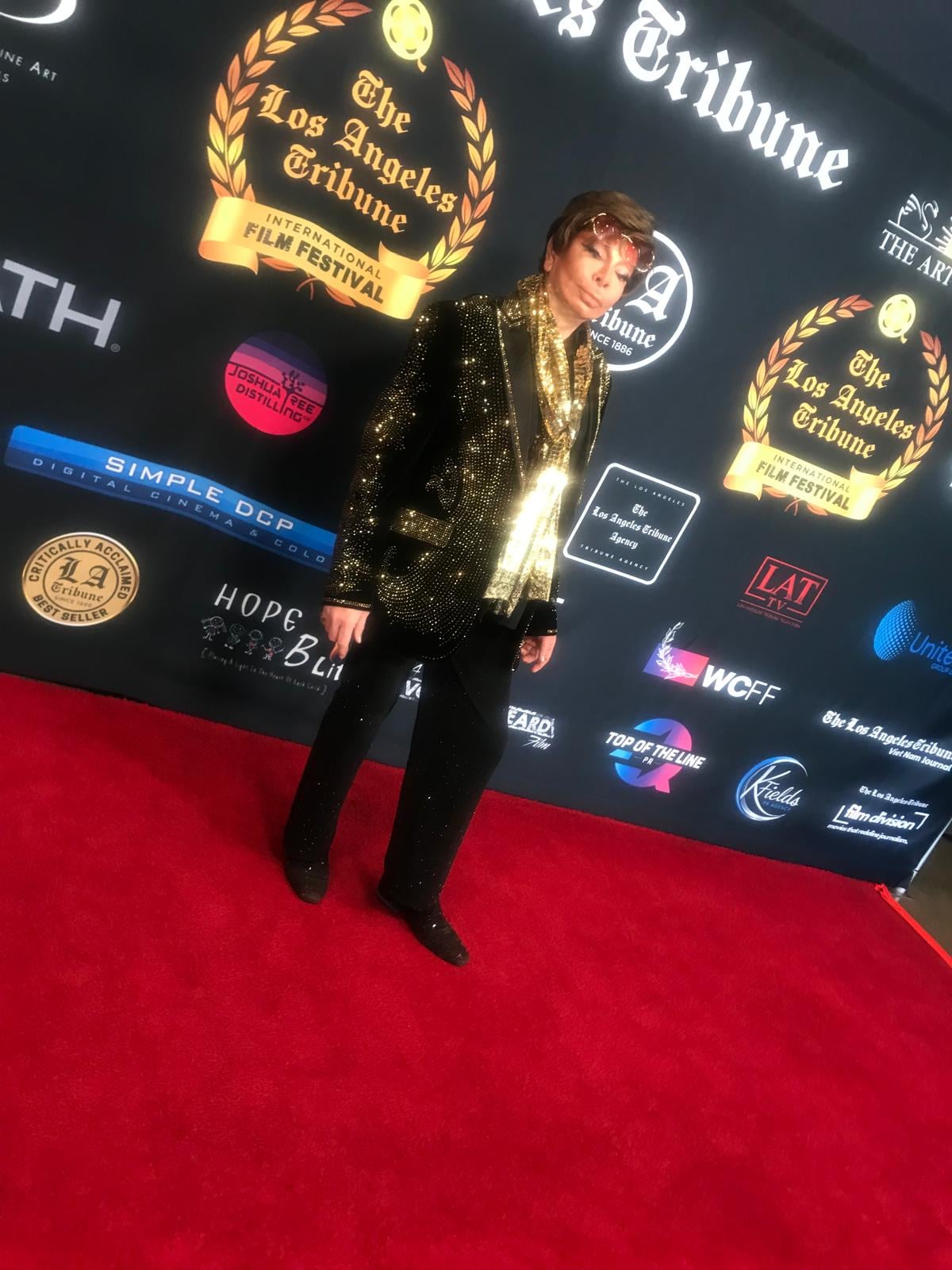
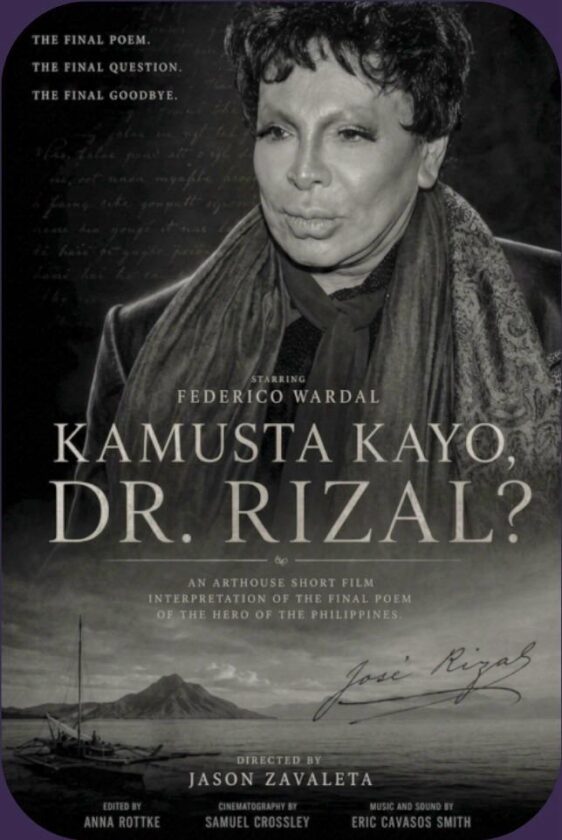
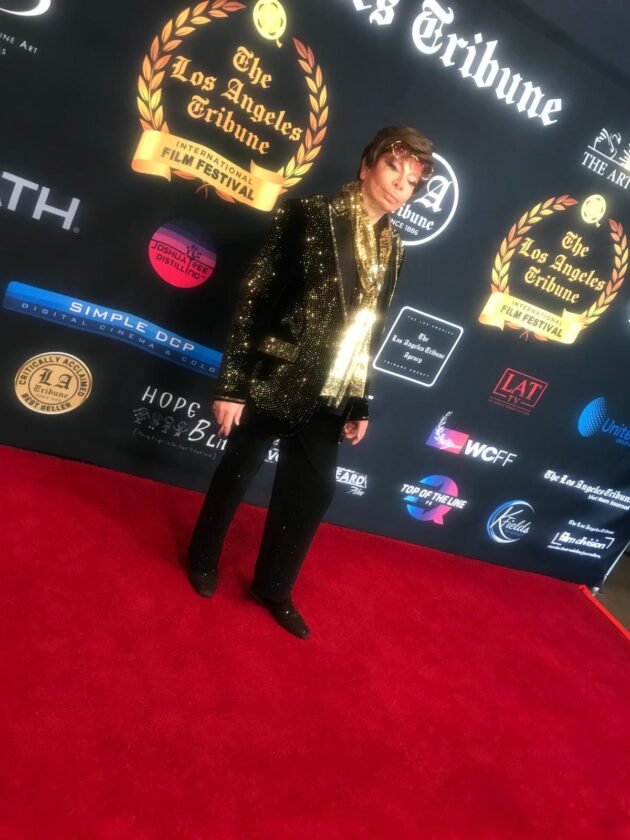
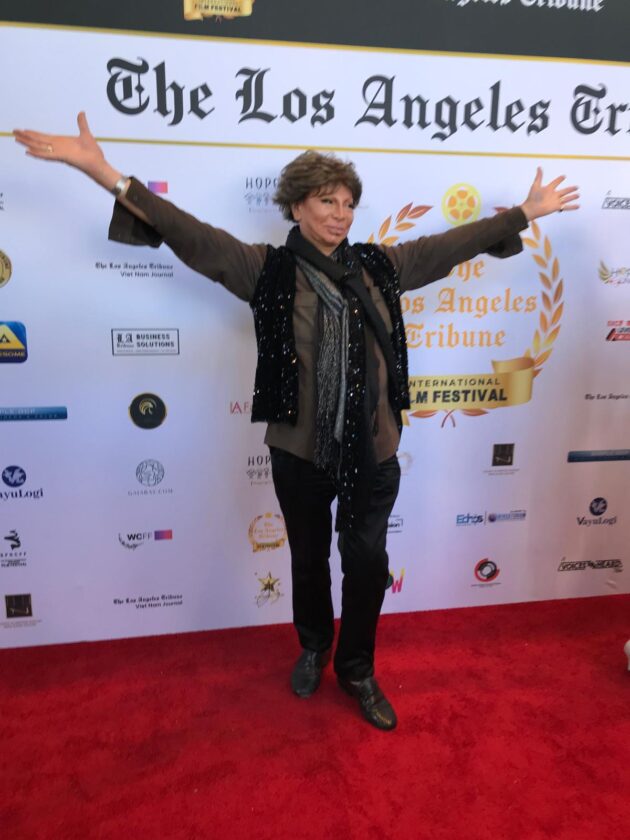
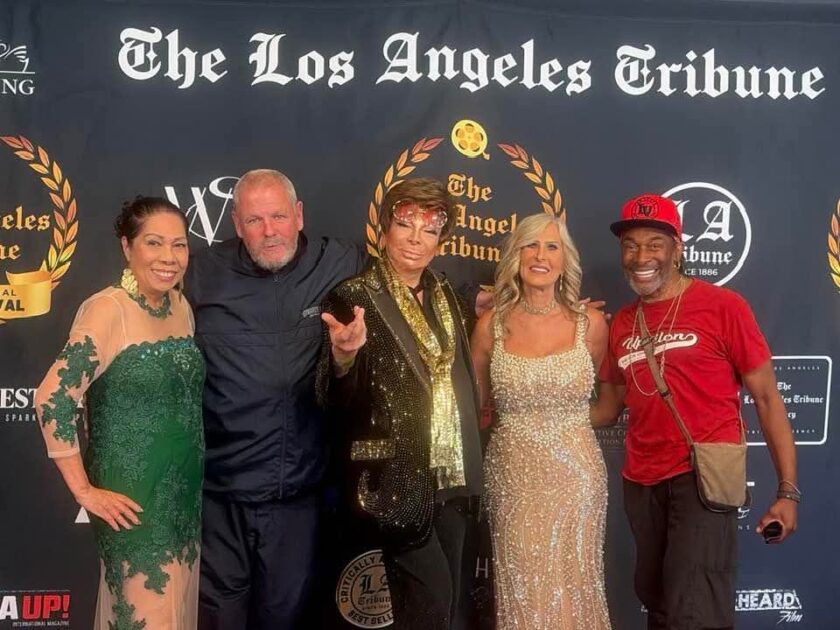
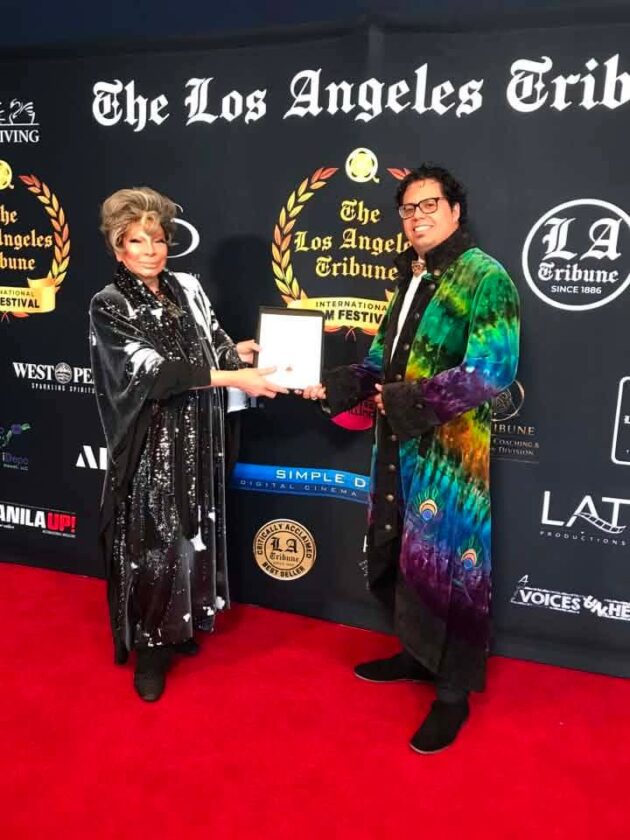
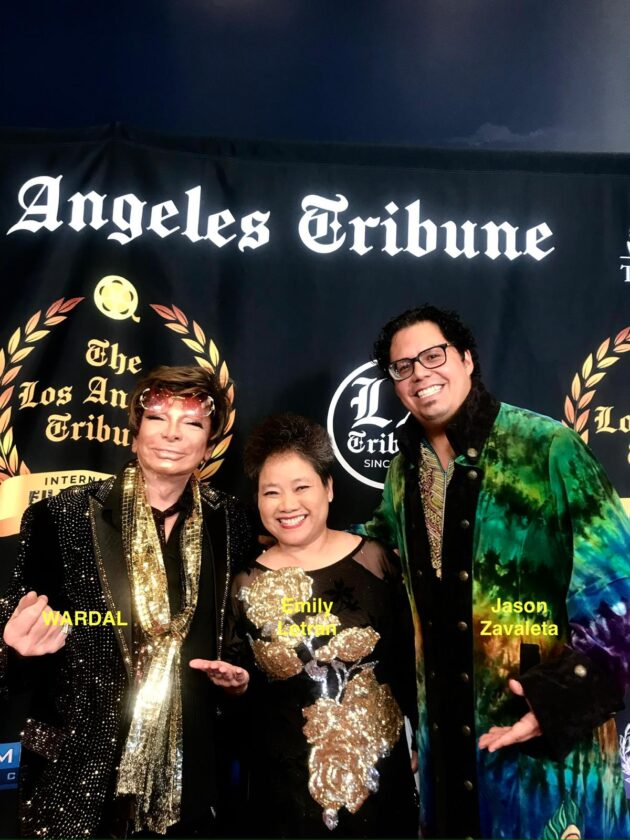
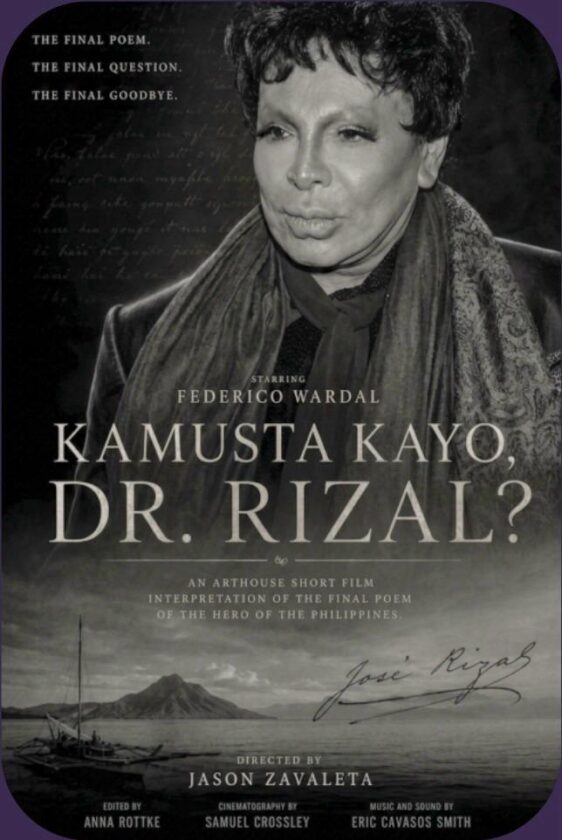
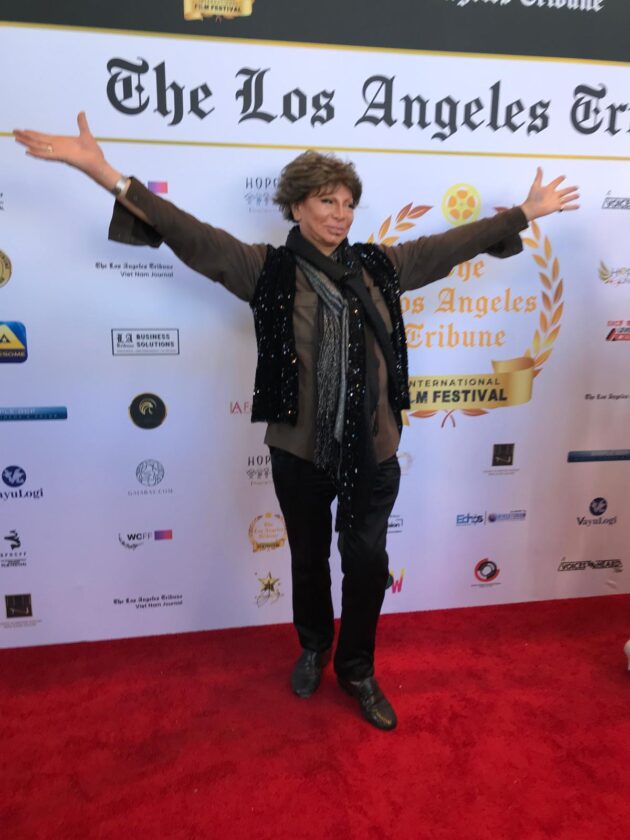
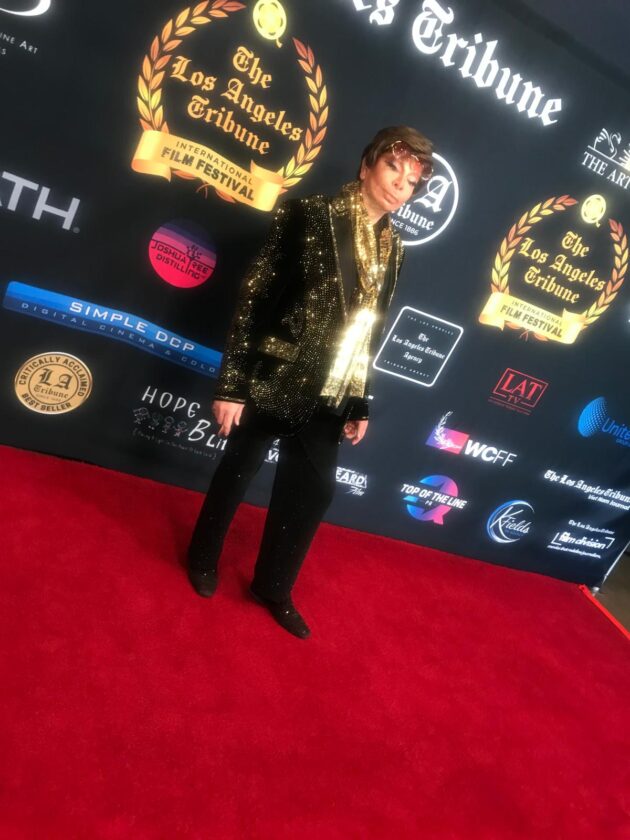
Meanwhile, Kamusta kayo Dr. Rizal?, centered on Philippine national hero José Rizal, the film won last Aug 19th at the LA Tribune International Film Festival, a Hollywood-area cinematic event overseen by Emily Letran and associated with the media empire behind the LA Tribune newspaper, adding another major international milestone to Wardal’s current cinematic journey.
His artistic activity also extends to television, where he hosts the weekly Count Wardal TV Show on SF CH 29.
In fashion, Wardal’s distinctive image has recently been curated by renowned designer Antonio Zaru, who previously dressed legendary Italian actress and Fellini muse Sandra Milo.
And his cinematic journey continues. Upcoming projects include Jason Zavaleta’s Start on Market and Jennifer Glee’s Narcisse Fluid, while Fellini and Federico… A Film of No Return, directed by Jennifer Glee and starring Wardal, returns to theaters in a fully remastered version following an extraordinary run of 150 film awards.
We spoke with Wardal about freedom, cinema, Fellini, his approach to acting, his relationship with audiences, and the stories he still wants to tell.
1. Your career has crossed continents, cultures and generations. What does it mean to you to see your work reaching such a wide audience across the Americas today?
Wardal: It means that the artistic construction of my films and cinematic projects—and their content—spark intense interest in people.
Among the projects I currently have in the works is Narcisse Fluid. It is the story of Antonio, a narcissist and mythomaniac—the antagonist—who seeks a romance with Wardal, played by myself, the protagonist.
Wardal does not allow Antonio to love him, because such love is impossible. To love Wardal—or anyone else—Antonio would first have to break free from his narcissism and mythomania and subsequently allow himself to be truly born. Yet he will never do this.
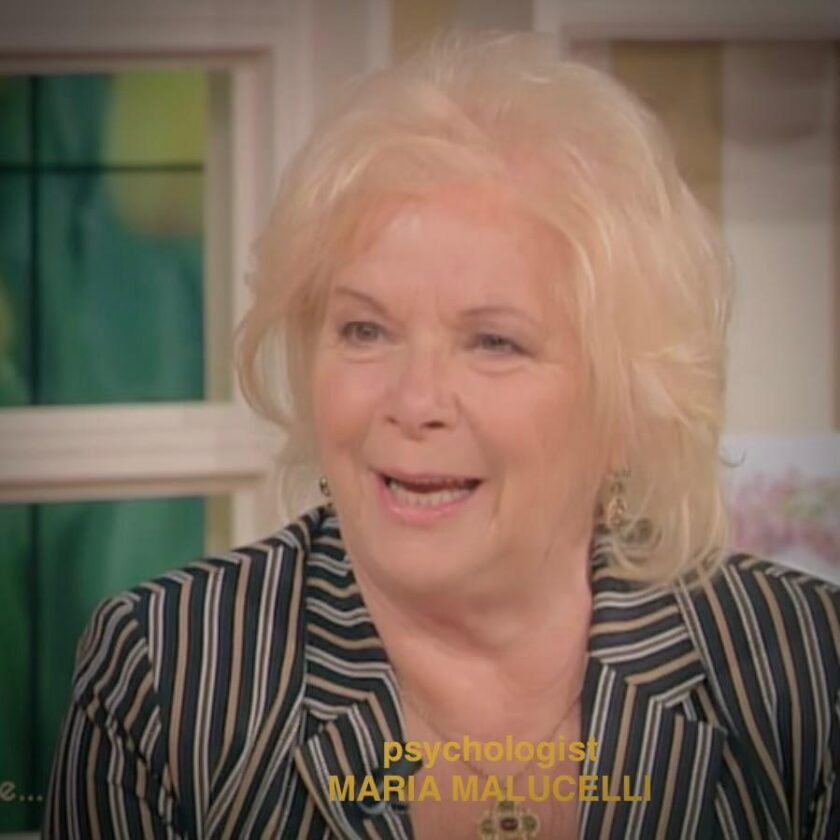
For Narcisse Fluid, I particularly appreciate the collaboration with psychologist Maria Malucelli, one of the most highly regarded and popular figures in her field in Italy.
2. You have portrayed two iconic historical figures, Giuseppe Garibaldi and José Rizal. What did you discover about yourself as an actor through these two extraordinary personalities?
Wardal: I did not discover something new, but rather realized within myself that freedom is the goal of my life—a goal that, as with Rizal and Garibaldi, makes me regard death as nothing.
I am not an actor. Anna Magnani used to say the same thing about herself. I feel; I do not interpret.
Of course, I apply the rules and criteria of the acting craft. But let me be clear: my characters are alive, and they renew themselves every evening when I perform in the theater.
If I discover new aspects of them, I portray them. Consequently, my performance generally changes from night to night—something that conflicts with the standard concept of an actor.
And in cinema? It is the same.
I feel and breathe life into a character who is closer to reality than to fiction. What I feel is real; it is not make-believe.
3. Your interpretation of Garibaldi in Anita will be presented at the Gramado International Film Festival. What does this Brazilian recognition mean to you?
Wardal: Oh, it was a massive event.
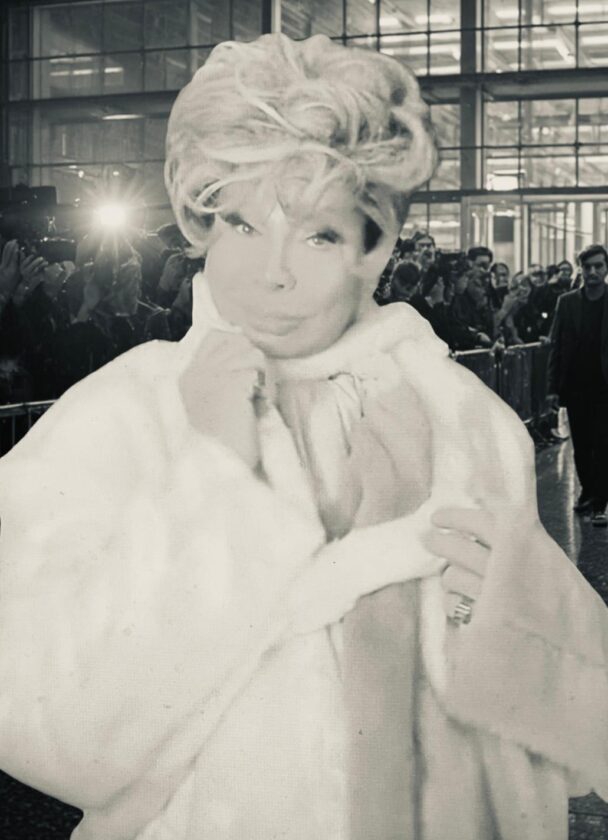
People, in their eagerness to touch me as I walked the immense red carpet at the Gramado International Film Festival, seriously jeopardized the stability of the crowd barriers.
It was my mere presence that repeatedly triggered this reaction, especially among young people.
I can say that today what I act deeply moves the audience, because I realize that it is me who is stirring those emotions.
4. Kamusta kayo Dr. Rizal? has become a finalist at the LA Tribune International Film Festival. What attracted you to the story of José Rizal, and what do you believe his legacy can teach audiences today?
Wardal: The film about the hero Rizal won an award on August 16 at LATIFF—the Los Angeles Tribune International Film Festival.
Founded by Moe Rock and Emily Letran, it is now one of the world’s important and innovative film festivals, showcasing films with a powerful human impact.
I don’t want to repeat myself, but the legacy of the hero Rizal is to place the value of freedom above life itself—to make it the ultimate priority.
5. You have received the “USA Excellence for a Film Monologue” award. How important are awards to you compared with the emotional connection between an actor, a character and the audience?
Wardal: I like that question.
I accept an award if it reflects the emotion and enthusiasm of the people.
I live for the love the audience pours upon me. I am a key point of reference for them, and they are all a point of reference for me.
It is a flow of love that has always existed and will end only with my death, because my final breath will be for my audience.
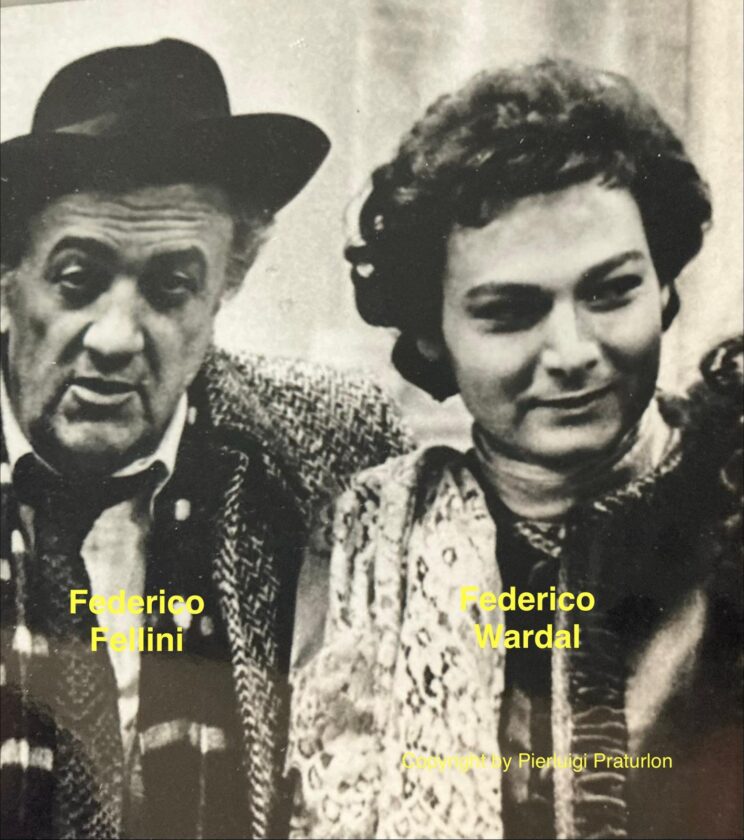
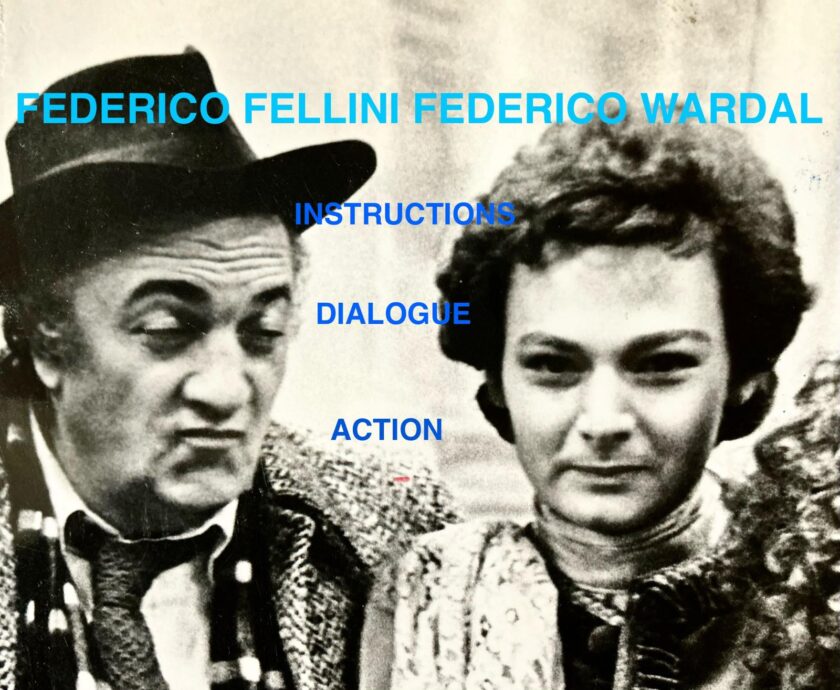
6. Fellini is a name that seems inseparable from your artistic journey. What does Federico Fellini represent to you personally and professionally?
Wardal: Fellini? Federico?
Ah, the mere thought moves me to tears.
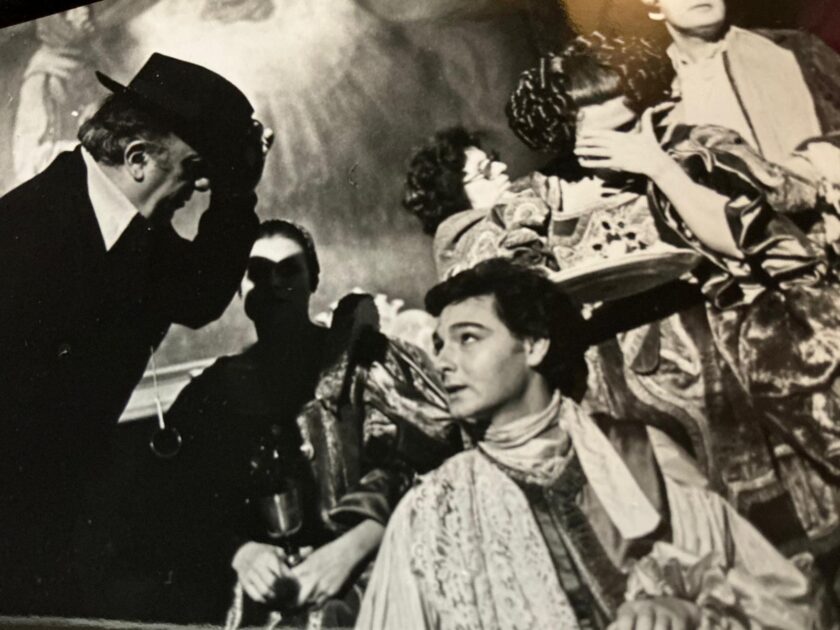
Back in 1974—so long ago now—when I was just a young man, Fellini insisted on seeing me at his studio in the legendary Soundstage 5 at Cinecittà in Rome.
The encounter between us was deeply emotional for both of us.
Fellini and I shared similar inner worlds, and the powerful energy that flowed between us never changed. Even now, thinking about it brings tears to my eyes—and I am not someone who cries easily.
Of course, there was a profound artistic rapport between Fellini and me, but our relationship went beyond that.
The story of our connection was a turbulent one, due to events entirely beyond our control.
Fellini was the first great man I ever met. Alongside him, the only other true giants I knew well were Billy Wilder, Alfred Hitchcock and Carlo Lizzani.
7. Fellini and Federico… A Film of No Return, directed by Jennifer Glee and starring you, is returning to theaters in a fully remastered version after receiving 150 film awards. What makes this film so special, and what do you hope audiences will feel when they see it on the big screen again?
Wardal: Over the course of two years, the initial version of the film garnered 150 awards, including several prestigious ones.
Consequently, director Jennifer Glee and I recently decided to bring Fellini and Federico… A Film of No Return back to life—a project that evolved from the previous film, effectively regenerating itself.
In a Pirandellian twist, we went along with the film’s own momentum, treating it as a living entity.
The story begins with the 2020 celebration of Fellini’s centenary at the Ruby Theatre in Hollywood.
I play both Federico Fellini and myself, Federico Wardal—a character with a dual soul whom I call “F&F” (Federico & Federico).
F&F receives a visit from Antonio, a handsome actor in his thirties who is mute and extremely shy.
F&F conducts an audition that unfolds as a casual conversation, during which I also read Antonio’s tarot cards. Antonio becomes terrified by the mysterious atmosphere that has developed and tries to flee.
F&F stops him, claiming that his soul is trapped inside the camera—which, unbeknownst to him, has been recording the entire interview.
However, F&F assures him that he is physically free to leave the studio.
Antonio sits back down.
F&F then realizes that the camera hasn’t recorded anything after all. Antonio is free, and so is his soul.
At this point, a major plot twist occurs—one I won’t reveal here, so as not to spoil the emotional impact the film has on its audience.
To prove that Antonio is truly free, F&F tells him to speak—to say his own name aloud.
Antonio knows he cannot do it, being mute, but F&F orders him to speak his name.
In a memorable scene, Antonio—as if unburdening himself of a massive weight—speaks his name aloud.
I am deeply moved and tell him to go.
One of the film’s powerful themes is an artist’s fear—Fellini’s and mine—of no longer being able to create or express anything.
For Fellini and me, that represents true death.
A long answer, but an important one, I think.
8. Your work has often been associated with filmmakers and artists who value cinema as an art form rather than simply entertainment. What do you believe cinema can still change in the world?
Wardal: Cinema is a dream, and life is a dream. Anyone reading this knows what I mean.
I, for instance, am a dream to people—and was even one to the three loves of my life—though they failed to grasp that I am a “concrete dream,” a dream that is a real person.
And that was one of the great dramas of my life.
9. You are also the host of the Count Wardal TV Show on SF CH 29. How different is it for you to communicate with an audience as a television host compared with inhabiting a character on screen?
Wardal: I do not change on television. I remain Wardal.
The medium of expression changes, but I do not—never.
I recall an amusing incident.
After a brief performance of mine in San Francisco, a woman in her thirties said to me, “Wardal, I admire your naturalness.”
I replied, “Yes, my naturalness is actually the greatest fiction I have ever invented.”
She didn’t understand.
10. Looking ahead, you have projects such as Jason Zavaleta’s Start on Market and Jennifer Glee’s Narcisse Fluid. What kind of roles and stories are still capable of surprising you?
Wardal: Start on Market, by Jason Zavaleta—my adorable, young and brilliant Hollywood director—is a drama about liberation from the masks we create for ourselves and those society compels us to create.
I love this story.
Naturally, I play Valentin, the one who liberates the prisoner of the self—my antagonist.
But do you know what truly surprises me?
It is the betrayal of the self.
It surprises me because those who refuse to give birth to their true selves are capable of devising plans so sophisticated that they are nearly impossible to uncover.
I, however, manage to do so.
That is why those who lie to themselves flee from me.
I have already spoken about Narcisse Fluid.
11. Your image has recently been styled by fashion designer Antonio Zaru, who previously dressed Sandra Milo. How important is the visual identity of an actor to the mythology surrounding a cinematic career?
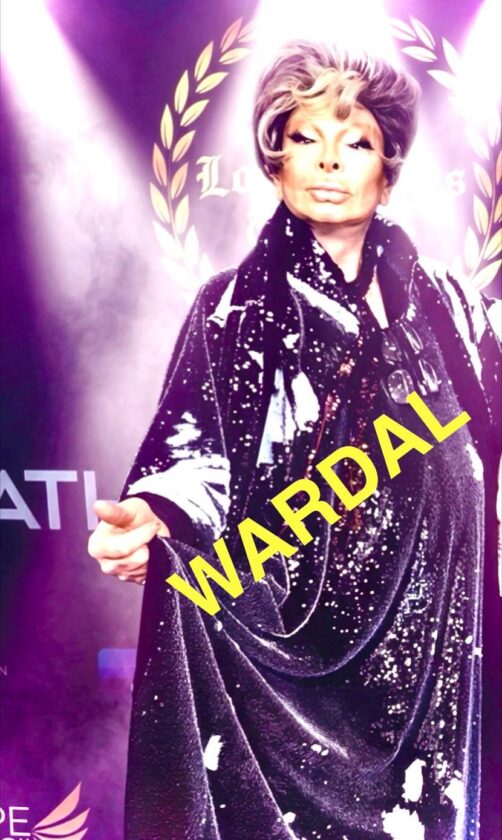
Wardal: This is Wardal—the character of Wardal.
Ever since I was a teenager, I have presented myself to the public by accentuating an image that is already spectacular—glamorous in its own right.
Yet when I perform—channeling, in my own unique way, an energy that springs from the depths of my soul—that image is eclipsed.
The audience hears only my “inner voice” and is stirred, often moved to tears.
Antonio Zaru is a brilliant fashion designer who curates my look with enchanting flair.
Sandra Milo—Fellini’s great muse—and I—Fellini’s “inspirer”—perhaps serve to bridge the gap to Zaru, an artist of great sensitivity, innovation and magic.
12. After decades in cinema, what is the one thing you still want to accomplish that you have never done before?
Wardal: As touched upon in the new film Fellini and Federico… A Film of No Return, my greatest wish and hope is that my creativity might increasingly shatter the lies that consume people and dispel the shadows within them.
Yet I have always longed for someone who had not lost Federico—someone capable of loving or hating the star Wardal for who he truly is.
About The Author